The Life and Doctrine of Martin Luther King Jr.
I first learned about Martin Luther King Jr. in grade school. He was presented to me as a model citizen, and someone we should celebrate.
Later, in my 30s there was a renaissance in the interest of King, and I heard more about him as a radical yet effective activist.
In the last two years I've sought out MLK's theology, the faith that drove him to imagine and work toward a more just America. Thankfully there have been many books to greet me on my journey of discovery.
Below I have three suggestions if you want to understand what Rev. Dr. Martin Luther King Jr. believed about God, himself, and his neighbors.
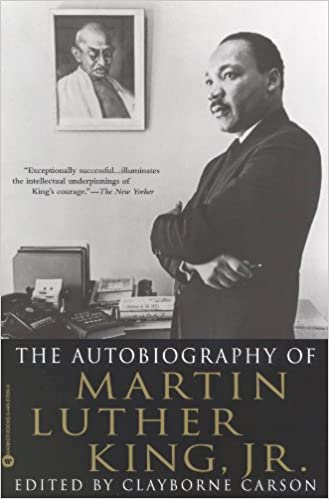
The Autobiography of Martin Luther King, Jr.
edited by Clayborne Carson
First off, get the audiobook. It's read by LaVar Burton with reserved dramatic flair, and also includes audio of MLK speeches!
This autobiography was edited together in the late 90's, thirty years after Dr. King was murdered, and includes material from his books, Stride Toward Freedom: The Montgomery Story (1958), Why We Can’t Wait (1964), and Where Do We Go from Here: Chaos or Community? (1967).
The narrative is less about King's personal life, and more about his theological influences, highlights from his justice campaigns, and how he made sense of the victories, setbacks, and violence that he and others faced.
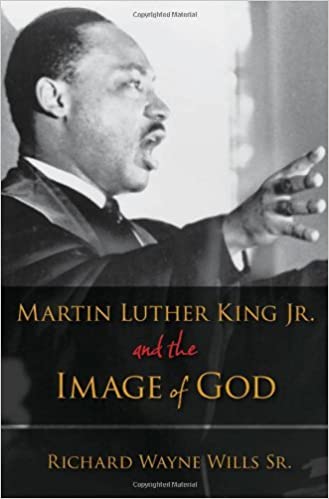
Martin Luther King, Jr., and the Image of God
by Richard W. Wills Sr.
Where did MLK get his radical understanding of the dignity all humans have as images of God? How was Dr. King's idea of the "beloved community" that extends outside of God's church and into all of society?
Wills answers those questions and creates a sort of family tree of MLK's faith. The branches on that tree include his family, the Black church, King contemporaries, and his seminary education.
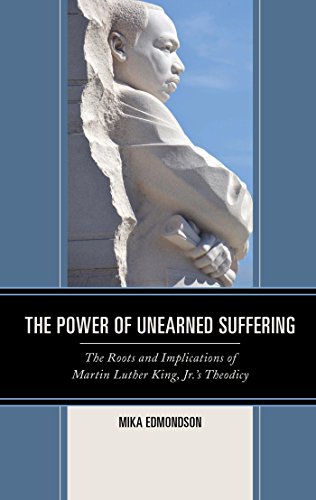
The Power of Unearned Suffering: The Roots and Implications of Martin Luther King, Jr.’s Theodicy
by Mika Edmondson
The most important, yet overlooked section in Dr. King's "I have a Dream" speech is the passage about "redemptive suffering":
"I am not unmindful that some of you have come here out of great trials and tribulations. Some of you have come fresh from narrow jail cells. And some of you have come from areas where your quest -- quest for freedom left you battered by the storms of persecution and staggered by the winds of police brutality. You have been the veterans of creative suffering. Continue to work with the faith that unearned suffering is redemptive."
Edmondson examines where King learned that doctrine, tackles the arguments against it.