Week 4: "The Goal of Justice - Shalom"
God comes to the rescue when the men and women he made in his image suffer injustice and cry out to him. This week we'll learn that God's justice goal is to restore peace for everyone, or in Hebrew, shalom.
Shalom is a key concept of biblical justice. The Biblical prophets often wrote about shalom, both decrying injustice and wishing for their community to adopt an Eden-like state where there was an abundance of resources and zero shame that separates people.
Key Justice Scripture
The Lord is my shepherd, I lack nothing. He makes me lie down in green pastures, he leads me beside quiet waters, he refreshes my soul. He guides me along the right paths for his name’s sake. Even though I walk through the darkest valley, I will fear no evil, for you are with me; your rod and your staff, they comfort me. You prepare a table before me in the presence of my enemies. You anoint my head with oil; my cup overflows. Surely your goodness and love will follow me all the days of my life, and I will dwell in the house of the Lord forever. Psalm 23
This Week's Justice Reading Plan
- Exodus 19 - 40
- Psalms 23 - 29
As you read and meditate, take note of what these scriptures teach you about shalom in particular, and justice in general.
Bible Project’s “One Year Reading Plan”
Justice Resources
?Word
Shalom:
"Shalom is a Hebrew word meaning peace, harmony, wholeness, completeness, prosperity, welfare and tranquility and can be used idiomatically to mean both hello and goodbye." (Wikipedia)
?Video
The Bible Project has a video on shalom, and a Bible study on shalom that is great for personal reflection and group discussion.
"So peace takes a lot of work because it is not just the absence of conflict. True peace requires taking what is broken and restoring it to wholeness, whether it is in our lives, our relationships, or in our world." - Dr. Tim Mackie
?Book
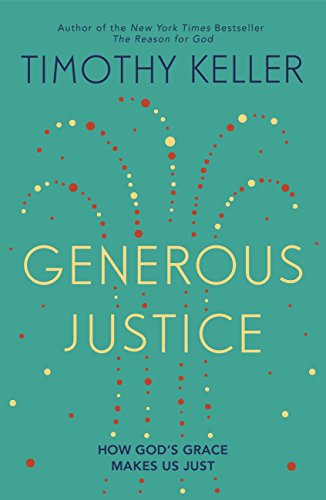
Generous Justice by Tim Keller (Amazon)
Chapter 8 of "Generous Justice" introduces and define the concept of shalom, and ties it to doing justice:
"In general, to 'do justice' means to live in a way that generates a strong community where human beings can flourish. Specifically, however, to 'do justice' means to go to places where the fabric of shalom has broken down, where the weaker members of societies are falling through the fabric, and to repair it.
Later Keller argues that loving peace, beauty, restoration, and shalom should be your motivation for doing justice, not coercive guilt or to gain social recognition.
?Book

Subversive Witness: Scripture's Call to Leverage Privilege by Dominique DuBois Gilliard (Amazon)
Gilliard argues that unearned privilege damages shalom. But, he argues our Christian responsibility is to use our privilege and the access to power it gives us to restore shalom in our communities:
"Privilege creates and expands anti-gospel inequities that infringe on collective liberation and shalom.""...privilege becomes a unique opportunity for us to bear witness to who and whose we are. When we leverage privilege instead of exploiting it, we function as the leaven in the loaf, the moral compass and accountability in spaces and places of distinction."
Gilliard's book is chock full of examples of heroes in the faith who used their privilege to restore shalom - folks like Moses, Ester, and of course, the master, Jesus.
Last Week
In week 3 of Justice Year we learned that God's heart is to help and rescue people who are suffering oppression.
If this was forwarded to you…
…consider subscribing to free Justice Year resources. There are 3 ways to get started, that match any Bible study goals.
Photo by Lachlan Ross from Pexels