Blog

Week 8 - Potluck for the Poor

"At the end of every three years, bring all the tithes of that year’s produce and store it in your towns, so that the Levites (who have no allotment or inheritance of their own) and the foreigners, the fatherless and the widows who live in your towns may come and eat and be satisfied, and so that the Lord your God may bless you in all the work of your hands"

Deuteronomy 14:28,29

This Week’s Justice Reading Plan

  • Numbers 35, 36
  • Deuteronomy 1 - 20
  • Psalm 52 – 59

Bible Project’s “One Year Reading Plan”

Justice Resources

Have you noticed that even after 7 weeks of this newsletter we haven't answered the question, "what exactly is biblical justice?". That was on purpose!

I believe that to fully grasp what God means by justice, and to do justice the way he calls us to, we have to get familiar with concepts such as "Blood Cries Out" and "Jubilee". But now that you've studied those themes, let's try to define justice simply, and explore why so many people disagree about what it is.

Read: What is Biblical Justice? ?

Recent Justice Entries

Latest posts

If this was forwarded to you…

…consider subscribing to free Justice Year resources. There are 3 ways to get started, that match any Bible study goals.
Week 7 - Rebellious Spirits of Injustice

When the women and men God created in his image are being oppressed and call for help, he comes to the rescue, and restores peace and prosperity to them and the land, and invites all of us to join him in this work.

This week we'll read about the last foundational key to understanding biblical justice - the influence of rebellious spirits, or "demons" on spreading injustice and oppression in the world.

Jeshurun grew fat and kicked; filled with food, they became heavy and sleek. They abandoned the God who made them and rejected the Rock their Savior. They made him jealous with their foreign gods and angered him with their detestable idols. Deuteronomy 32:15,16

This Week's Justice Reading Plan

  • Numbers 17 - 34
  • Psalm 45 - 51

Bible Project’s “One Year Reading Plan”

Justice Resources

?Books

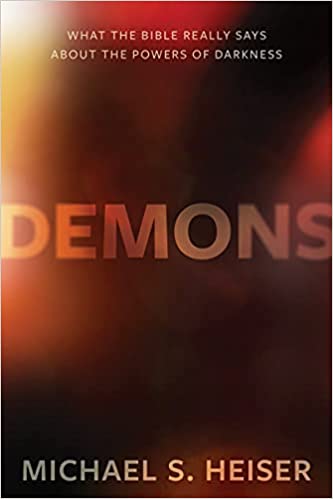
"Demons: What the Bible Really Says About the Powers of Darkness" by Micheal Heiser (Amazon)

Heiser's book on Demons is part of a series about supernatural entities detailed in the Bible, like angels, demons, and more. Heiser makes it clear that the scriptures say that rebellious spiritual beings influence the human nations to oppress their people. Heiser writes: The spiritual beings "...became corrupt administrators and, in so doing, sowed chaos in the heavenly realm as well. Yahweh created a world characterized by righteousness (ṣedāqâ) and well-being (šālôm)."

Heiser then quotes another scholar who wrote about the same idea: “The gods are condemned to death for their failure to carry out justice in the human realm.…[T] he cosmic realm also depends upon justice in the social order. Indeed the very foundations of cosmic order are shaken in the presence of injustice.”

demons-michael-heiser

"Evil and the Justice of God" by NT Wright (Amazon)

In the chapter, "Naming the Powers", Wright discusses a few ideas about the demonic beings that the Bible says influences people, systems, and nations to commit evil and injustice. Wright doesn't land hard on any one view, but he does seem open to Walter Wink's writing about the "powers" that exist in society, and the spiritual beings that either represent or promote those powers.

evil and the justice of god

"Naming the Powers: The Language of Power in the New Testament" by Walter Wink (Amazon)

Theologian and pacifist Walker Wink wrote about the spiritual struggle behind reforming institutions:

"I had never been able to take demons seriously. The idea that fallen angels possessed people seemed superstitious. But if the demonic is the spirituality produced when the angel of an institution turns its back on its divine vocation, then I could not only believe in the demonic, I could point to its presence in everyday life. And if the demonic arises when an angel deviates from its calling, then social change does not depend on casting out the demon, but recalling its angel to its divine task."

naming-the-powers-walter-wink

?Podcast

Interview with Matthew Croasmun, on his book "The Emergence of Sin: The Cosmic Tyrant in Romans"

Listen here

From the show notes:

"Instead of people having total autonomy over their lives, Dr. Croasmun notes, they are always in service to something. We are either in service to systems of sin or to systems under Christ.

The systems of sin would be examples of rampant, violent nationalism, racism, or discrimination against vulnerable people, animals, and nature.

Dr. Croasmun shares that it’s important to think of sin on three levels: an individual level, a large, super-organism and corporate level, and on a cosmic, supernatural level. All three ways will help a person to more fully understand these issues."

sin-cosmic-tryant

Last Week

In week 6 of Justice Year we learned about God's concern for all of creation, from the animals to the land. A full view of God's justice includes peace and redemption not just for men and women, but for everything God has created.

If this was forwarded to you…

…consider subscribing to free Justice Year resources. There are 3 ways to get started, that match any Bible study goals.
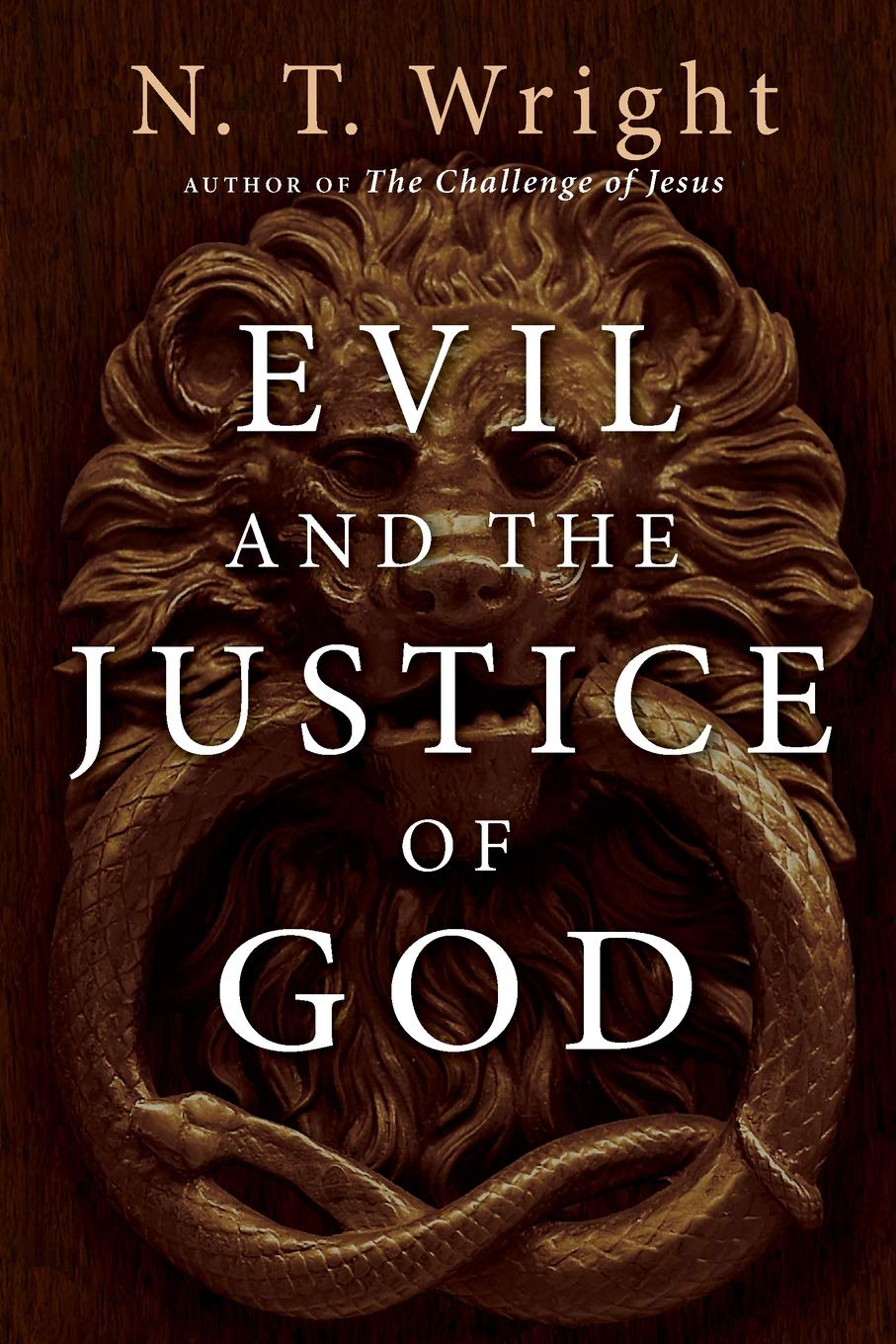
Photo by Aksinia Avelur from Pexels

Week 6 - All of Creation

God comes to rescue for the men and women he made in his image, when they are being oppressed and call for help. God invites his people to join him repairing peace and prosperity through restorative events such as the Jubilee, where debts are canceled and slaves are set free.

This week we'll examine the concept of God's restorative justice and protection extending to all of creation - from the land to the animals.

Your love, Lord, reaches to the heavens, your faithfulness to the skies. Your righteousness is like the highest mountains, your justice like the great deep. You, Lord, preserve both people and animals. Psalm 36:5,6

This Week's Justice Reading Plan

  • Leviticus 21-27
  • Numbers 1-16
  • Psalm 37 – 44

Bible Project’s “One Year Reading Plan”

Justice Resources

?Book

"Scripture, Culture, and Agriculture - An Agrarian Reading of the Bible" by Ellen F. Davis (Amazon)

Davis helps us to view scripture from the point-of-view of the original readers of the Bible, who were more farm and land-based, "agrarian" than what a city dweller like me is today. For purposes there are several chapters that mention "justice", but you can skip to chapter 5 , "A Wholesome Materiality: Reading Leviticus".

Some quotes:

"the most detailed scriptural witness regarding how we might live within the intended harmony of God’s creation is to be found especially in...the legal codes of Exodus, Leviticus, and Deuteronomy."

And:

"Leviticus articulates, perhaps more fully than anywhere else in Scripture, a theologically profound vision of the complexity and interdependence of the created order. Further, it grapples with the difficult question of how humans may responsibly participate in that order."

Scripture Culture Agriculture

? Website

List of "Creation Justice" ministries. This handy resource includes links to Protestant, Baptist, and Historically Black churches that have active creation justice ministries.

Last Week

In week 5 of Justice Year we learned that hope for jubilee is a recurring theme in the Bible, and a core concept of biblical justice.

If this was forwarded to you…

…consider subscribing to free Justice Year resources. There are 3 ways to get started, that match any Bible study goals.
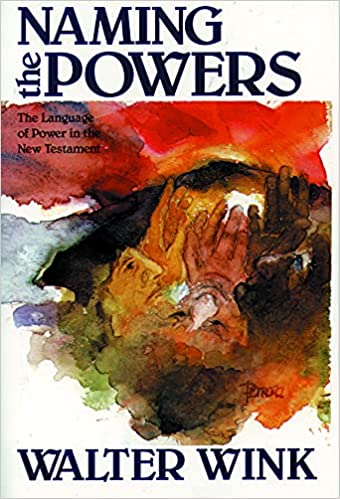
Photo by ROMAN ODINTSOV from Pexels

Week 5 - The Jubilee

When the men and women who God made in his image are oppressed and call out to him, he comes to rescue and repairs what's broken. This week we'll look at God's command for humans to participate in this rescue and repair work, through an event called jubilee. Hope for jubilee is a recurring theme in the Bible, and a driving concern for Christians who are devoted to doing justice.

Key Justice Scripture

"Consecrate the fiftieth year and proclaim liberty throughout the land to all its inhabitants. It shall be a jubilee for you; each of you is to return to your family property and to your own clan." Leviticus 25:10

This Week's Justice Reading Plan

  • Leviticus 1-20
  • Psalm 30 - 36

Bible Project’s “One Year Reading Plan”

Justice Resources

?Word

Jubilee

"...every 50th year was to be announced as a jubilee year. All real property should automatically revert to its original owner (Leviticus 25:10; compare 25:13), and those who, compelled by poverty, had sold themselves as slaves to their brothers, should regain their liberty (Leviticus 25:10; compare 25:39).

In addition to this...there should be neither sowing nor reaping nor pruning of vines, and everybody was expected to live on what the fields and the vineyards produced "of themselves,"...

Thus there are three distinct factors constituting the essential features of the Jubilee Year: personal liberty, restitution of property, and what we might call the simple life."

Bible Study Tools - Jubilee

?Podcast and ?Video

The BibleProject did a podcast episode on "Jesus and his Jubilee Mission". The episode does a great job tying together the orginal command to do jubilee, the prophecies about a coming ultimate jubilee, how Jesus fulfilled those prophecies, and why his followers, Chrisitans are to carry on that mission.

?Book

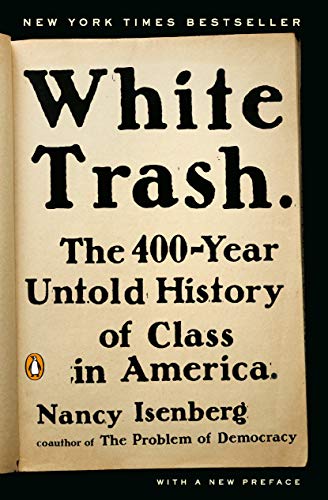
"White Trash - The 400 Year Untold History of CLass in America" by Nancy Isenberg (Amazon)

Isenberg chronicles how poor and lower class White folks were degraded throughout American history by myths and slurs like, "white trash". Finally, the Great Depression broke apart myths about poverty and the superiority of upper class Whites. Policy makers and government officials decided to enact jubilee-inspired legislation to rescue tens of millions of White people from poverty.

Excerpt from the book (notice the jubilee-like concern not just for economic oppression of people, but explotiation of the environment) :

"The Depression revealed that liberty for some—for the select, the privileged—was not liberty for all. In a remarkable article of 1933, titled 'The New Deal and the Constitution,' a popular writer named John Corbin questioned the claims of Americans to an exclusive quality of freedom. He posed a rhetorical question: 

'Can a nation call itself free if it finds itself periodically on the verge of bankruptcy and starvation in the face of the fact that it possesses all the materials of the good life?' 

He meant that freedom was compromised when a nation allowed the majority of its people to suffer devastating poverty and enduring economic insecurity. 

Regulation, regional planning, and readjustment (the last a favorite New Deal term) were needed to correct market abuses, control the exploitation of natural resources, and adjust class imbalance, and to do so, in President Roosevelt’s phrase, 'not to destroy individualism but to protect it.'"

(You can also watch this deep dive interview with the author)

white-trash

Last Week

In week 4 of Justice Year we learned that the goal of God's justice is the resoration of what's broken in society so there is peace, or shalom.

If this was forwarded to you…

…consider subscribing to free Justice Year resources. There are 3 ways to get started, that match any Bible study goals.
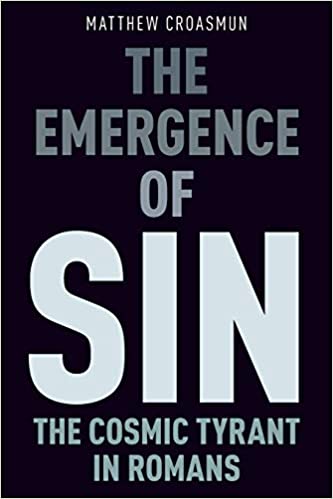
Photo by S Migaj from Pexels

Week 4: "The Goal of Justice - Shalom"

God comes to the rescue when the men and women he made in his image suffer injustice and cry out to him. This week we'll learn that God's justice goal is to restore peace for everyone, or in Hebrew, shalom.

Shalom is a key concept of biblical justice. The Biblical prophets often wrote about shalom, both decrying injustice and wishing for their community to adopt an Eden-like state where there was an abundance of resources and zero shame that separates people.

Key Justice Scripture

The Lord is my shepherd, I lack nothing. He makes me lie down in green pastures, he leads me beside quiet waters, he refreshes my soul. He guides me along the right paths for his name’s sake. Even though I walk through the darkest valley, I will fear no evil, for you are with me; your rod and your staff, they comfort me. You prepare a table before me in the presence of my enemies. You anoint my head with oil; my cup overflows. Surely your goodness and love will follow me all the days of my life, and I will dwell in the house of the Lord forever. Psalm 23

This Week's Justice Reading Plan

  • Exodus 19 - 40
  • Psalms 23 - 29

As you read and meditate, take note of what these scriptures teach you about shalom in particular, and justice in general.

Bible Project’s “One Year Reading Plan”

Justice Resources

?Word

Shalom:

"Shalom is a Hebrew word meaning peace, harmony, wholeness, completeness, prosperity, welfare and tranquility and can be used idiomatically to mean both hello and goodbye." (Wikipedia)

?Video

The Bible Project has a video on shalom, and a Bible study on shalom that is great for personal reflection and group discussion.

"So peace takes a lot of work because it is not just the absence of conflict. True peace requires taking what is broken and restoring it to wholeness, whether it is in our lives, our relationships, or in our world." - Dr. Tim Mackie

?Book

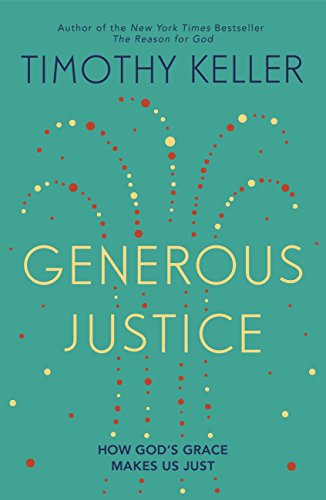
Generous Justice by Tim Keller (Amazon)

Chapter 8 of "Generous Justice" introduces and define the concept of shalom, and ties it to doing justice:

"In general, to 'do justice' means to live in a way that generates a strong community where human beings can flourish. Specifically, however, to 'do justice' means to go to places where the fabric of shalom has broken down, where the weaker members of societies are falling through the fabric, and to repair it.

Later Keller argues that loving peace, beauty, restoration, and shalom should be your motivation for doing justice, not coercive guilt or to gain social recognition.

generous-justice

?Book

subversive-witness

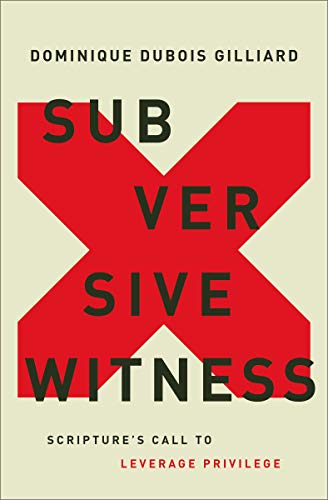
Subversive Witness: Scripture's Call to Leverage Privilege by Dominique DuBois Gilliard (Amazon)

Gilliard argues that unearned privilege damages shalom. But, he argues our Christian responsibility is to use our privilege and the access to power it gives us to restore shalom in our communities:

"Privilege creates and expands anti-gospel inequities that infringe on collective liberation and shalom.""...privilege becomes a unique opportunity for us to bear witness to who and whose we are. When we leverage privilege instead of exploiting it, we function as the leaven in the loaf, the moral compass and accountability in spaces and places of distinction."

Gilliard's book is chock full of examples of heroes in the faith who used their privilege to restore shalom - folks like Moses, Ester, and of course, the master, Jesus.

Last Week

In week 3 of Justice Year we learned that God's heart is to help and rescue people who are suffering oppression.

If this was forwarded to you…

…consider subscribing to free Justice Year resources. There are 3 ways to get started, that match any Bible study goals.
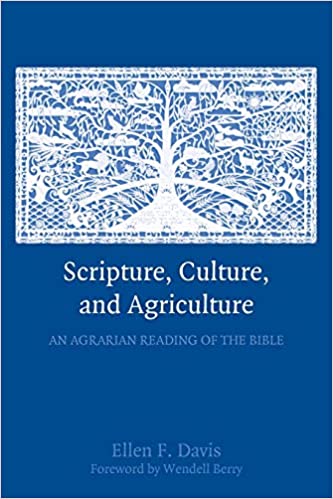
Photo by Lachlan Ross from Pexels

Week 3 - "God to the Rescue"

We began by learning that men and women are made in the image of God, and when we are oppressed or harmed, we can "cry out", and God will hear us. As our Bible readings move into Exodus, you'll learn about another key biblical justice concept - God comes to the rescue!

Key Justice Scripture

"And now the cry of the Israelites has reached me, and I have seen the way the Egyptians are oppressing them. So now, go. I am sending you to Pharaoh to bring my people the Israelites out of Egypt." Exodus 3:9,10

This Week's Reading Plan

  • Exodus 1 to 18
  • Psalms 17 to 22

As you read, meditate, and discuss, take note of what these scriptures teach you about justice.

Bible Project's "One Year Reading Plan"

Justice Resources

? Book

"Evil and the Justice of God" by NT Wright (Amazon / YouTube commercial)

Why doesn't a just God wipe out evil? Where is the rescuer that Exodus describes? Why does he allow humans to harm each other?

These are the questions theologian NT Wright grapples with in his helpful book. Even though it's a heavy subject, it's a breezy read. I absorbed it during a vacation as one of the first books I read about justice. Wright's handling of the subject helped frame my ongoing study.

I highly recommend picking this book up.

evil and the justice of god

? Podcast

Is God fair in how he delivers justice? And how should we understand God's anger? Tim Mackie and the Bible Project crew grapple with those questions in several in-depth podcast episodes about God's anger.

In their "Character of God" podcast series, episodes 5-11 deal with these concepts.

In one revealing episode, Mackie admits that the judgment of God that some fear, is a welcome prayer for some who are being oppressed, even today, in his own city of Portland.

If you don't have time to listen to 6 hours of a podcast, watch the Bible Project's video on "Slow to Anger" which summarizes their conversation.

?️Film and ?Book

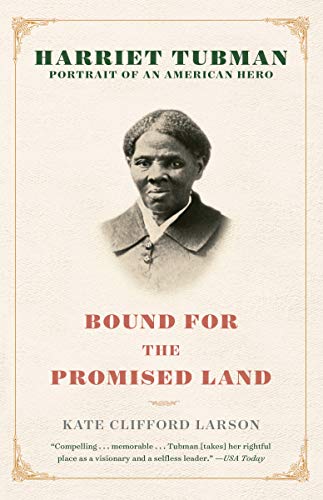
"Bound for the Promised Land: Harriet Tubman: Portrait of an American Hero" by Kate Clifford Larson (Amazon )

One the most well-written biographies I've ever read about a person who I thought I already knew a lot about.

This book not only details Ms. Tubman's work freeing slaves as part of the Underground railroad, but also her work as a Civil War spy, nurse, and even commander of a raid.

The book treats seriously Ms. Tubman's faith in God and examines the roots of her theology. The questions NT Wright and Tim Mackie grapple with in their books and podcasts, Ms. Tubman lived out in her shrewd and courageous actions.

bound-for-the-promised-land

The biblical justice concept of "God to the Rescue" prompts us to adopt our Creator's heart and join him in uplifting our forgotten and oppressed neighbors. But also, a deep conviction in God's ultimate judgment on the last day holds us back from taking vengeance. Ms. Tubman exemplifies that in her life, and this recent biography lays it out well.

The film "Harriet" covers the early parts of Harriet Tubman's life, and also heavily features her faith. (Watch the trailer / find the movie / listen to the soundtrack)

I enjoyed the book and film a lot, and now Ms. Tubman is a personal hero of mine.

Last Week

In week 2 of Justice Year we learned that when a human is oppressed or is murdered it matters deeply to God, no matter what their status is in our society.

If this was forwarded to you...

...consider subscribing to free Justice Year resources. There are 3 ways to get started, that match any Bible study goals.
-

Photo by Hu Chen on Unsplash

Week 2 - Blood Cries Out

When a human is oppressed or is murdered it matters to God.

It doesn't matter what their status is in society. And the status of the murderer doesn't matter, either. That's because we are all created in the image of God, which gives our lives the highest value.

So, even if no one cares, God cares. That is a key concept of biblical justice. You'll see the "cry out" theme get repeated often as you read through the scriptures.

Theme Scripture

Now Cain said to his brother Abel, “Let’s go out to the field.” While they were in the field, Cain attacked his brother Abel and killed him. Then the Lord said to Cain, "Where is your brother Abel?" "I don’t know," he replied. "Am I my brother’s keeper?" The Lord said, "What have you done? Listen! Your brother's blood cries out to me from the ground." Genesis 4:4-10

Justice Resources

As you meditate on and discuss the theme scripture, use the resources below to go even deeper in your study.

?Word

Ze’aqah - "cries out"

"Ze’aqah appears frequently throughout the Old Testament. One of its earliest usages occurs in the aftermath of the first murder: when Cain stands accused before God after killing Abel, the LORD says, “Your brother’s blood cries out to me from the ground” (Genesis 4:10). Later in the same book, God hears the outcry from those in Sodom and Gomorrah (Genesis 18:20), who the prophet Ezekiel later identifies as the neglected poor and needy (Ezekiel 16:49). God also hears the cry for help go up to him from the enslaved Israelites in Egypt (Exodus 2:23). Even the psalmist turns to ze’aqah in order to articulate his cry of injustice against the wrongdoer; he also adds that “the LORD is near to the brokenhearted” (Psalm 34:18)."

Read more: "The Cry of the Oppressed"

?Song & ?️Film

Billie's Holiday's "Strange Fruit" is a modern example of the biblical principle of "Blood Cries Out". The song's lyrics uses trees full of fruit as a sickening metaphor for lynching.

The song is considered the start of the Civil Rights movement, and in 1999 TIme Magazine named Strange Fruit the "Song of the Century".

NPR's "Throughline" details the shocking history of "Strange Fruit". The federal government ordered Billie Holiday to stop singing the song. They arrested her when she did not comply.

The song's writer, Abel Meeropol originally wrote Strange Fruit as a poem. He was called in by New York lawmakers to testify if communists had paid him to write it.

In 2021 Hulu produced a film about Billie Holiday and "Strange Fruit", titled "The United States vs Billie Holiday".

?Book

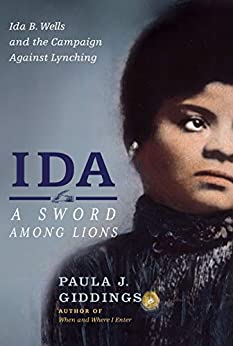
"Ida: A Sword Among Lions: Ida B. Wells and the Campaign Against Lynching" by Paula Giddings (Amazon)

Journalist Ida B. Wells was born into slavery during the Civil War and traveled across the country as a young adult, investigating lynchings.

At the time the lynchings were being misreported as mob violence against sexual predators. Wells exposed the truth - often the lynchings were of innocent Black men, and the murders were more brutal than the general public was aware of.

This biography inspired and challenged me. Wells' faith led her to be bothered by the injustice of lynchings, and gave her the courage to report the truth. She heard the "blood cry out" and responded.

Listen to this interview with the author for a summary of the biography's themes.

Read an overview of Ida B. Wells's pioneering work, including her role in the creation of the NAACP.

ida-b-wells
"Ida: A Sword Among Lions"

?Podcast

Dr. Tim Mackie of the Bible Project teaches about how God feels about the taking of innocent life in two seperate podcasts.

In the "Blood Cries Out" episode from Exploring my Strange Bible, Dr. Mackie explores how Judas, the Pharisees, and Pilate handled the guilt of convicting an innocent man, Jesus to death.

In the similarly named "The Blood Cries Out" episode of the Bible Project podcast, Dr. Mackie details how John condemned Rome and future Rome-like empires for killing innocent people and basing their prosperity on slavery.

Last Week

In Week 1 of Justice Year we learned about the basis of biblical justice - all humans, male and female are made in the image of God.

If this email or page was forwarded to you, consider subscribing to Justice Year resources. There are 3 ways to get started, that match any Bible study goals.